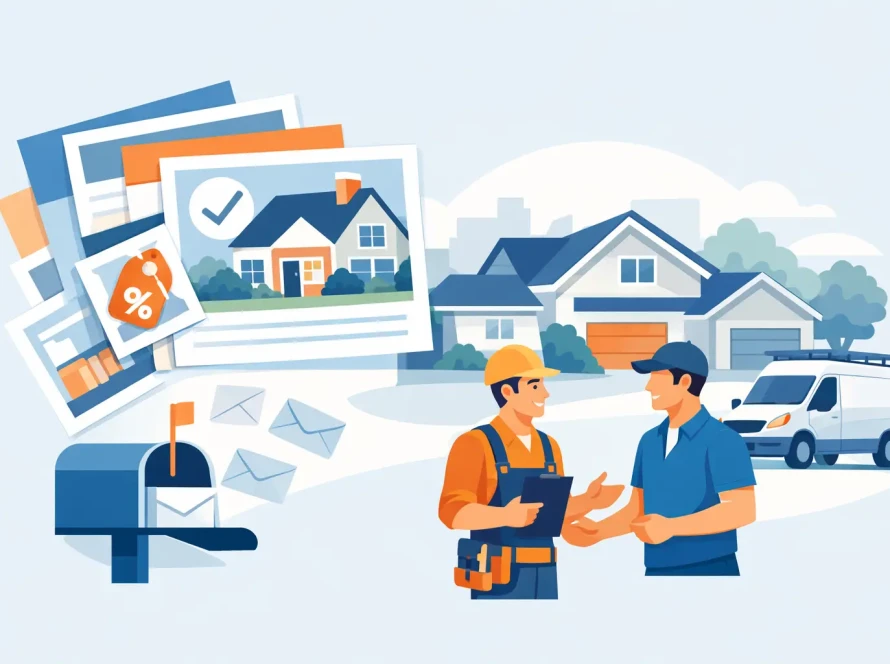
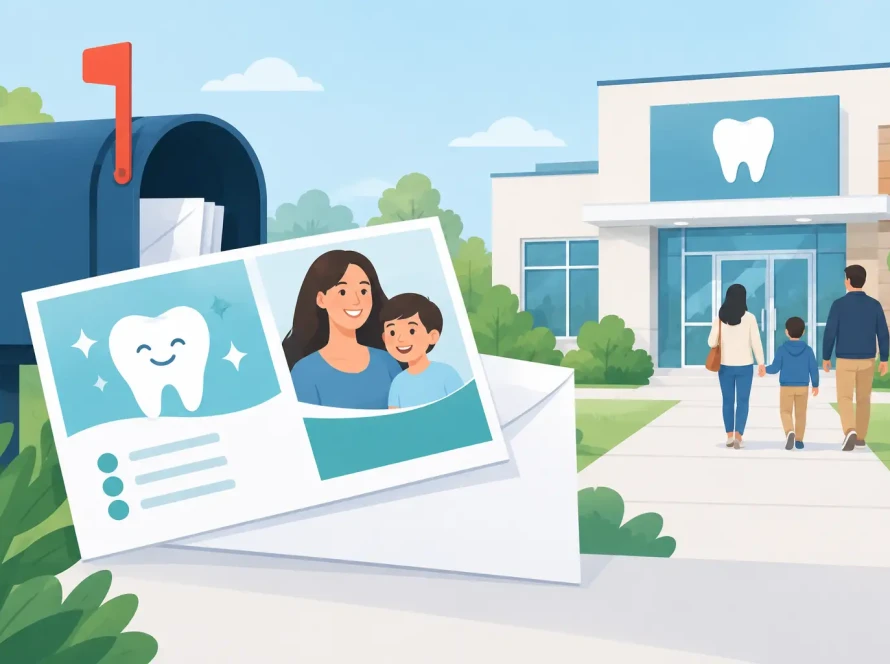
A direct mail campaign can look simple on paper: create an offer, print it, and send it out. The work behind it is where deadlines, address files, postal requirements, and production details can quickly pile up. Mailing fulfillment services bring those moving pieces together so your campaign is printed, prepared, and delivered without turning your team into a mailroom.
For a local business promoting a seasonal service, a real estate team announcing new listings, or a marketing department managing recurring outreach, fulfillment is more than stuffing envelopes. It is the operational support that helps your message reach the right homes or businesses in the right condition and on the right schedule.
What Mailing Fulfillment Services Actually Handle
Mailing fulfillment covers the physical and logistical steps between an approved mail piece and its entry into the mail stream. Depending on the campaign, that can include printing postcards, letters, brochures, or self-mailers; organizing variable information; preparing address files; adding mailing indicia; folding and inserting pieces; sealing envelopes; sorting; bundling; and preparing the shipment for postal entry.
The value is not just convenience. A well-run fulfillment process protects your campaign from costly, avoidable issues such as an outdated list, a missing return address, a mail piece that does not meet postal size requirements, or materials that arrive too late to support an event or promotion.
It also gives your business one accountable production partner. Rather than coordinating a designer, a printer, a mail house, and a shipping contact, you can keep campaign execution under one roof. That is especially useful when printed materials need to work together. Your postcards, business cards, flyers, banners, and event signage can all carry the same current offer, colors, and contact information.
Start With the Delivery Method, Not Just the Design
The best format for your campaign depends on who you need to reach. Addressed direct mail works well when you have a customer list, prospect list, or defined business audience. It allows for personalization, follow-up offers, and more precise audience segmentation.
Every Door Direct Mail, often called EDDM, is a strong option when geography matters more than individual names. A restaurant can promote a grand opening to nearby neighborhoods. A roofer can target homes within a service area after a storm. A real estate professional can introduce themselves to selected carrier routes around a new listing.
Neither approach is automatically better. Addressed mail can be more targeted, but list quality has a major effect on results and cost. EDDM makes neighborhood coverage straightforward, but it is broader and offers less personalization. The right choice comes down to your offer, service radius, budget, and how specifically you need to target recipients.
Make the Offer Easy to Spot
The mailbox is competitive. Your mailer should make its purpose clear in seconds. A strong headline, a focused offer, a deadline, and an easy next step are more useful than trying to fit every service your company provides onto one card.
For example, a home service business may feature one seasonal offer with a phone number, website, and trackable promo code. A retail store may use a postcard to announce a sale date and include a coupon. A professional services firm may lead with a useful local message, then invite recipients to request a consultation.
A fulfillment partner can help flag practical production choices before they become problems. That includes whether a design needs room for addressing, postal markings, barcodes, or clear zones. It is much easier to plan for these elements before the piece is printed.
The Details That Keep a Mail Campaign on Track
The quality of a mailing often comes down to unglamorous details. Clean data, approved proofs, accurate quantities, and realistic timing make a measurable difference. When any one of those items is rushed, it can affect the entire drop.
Address data should be reviewed before printing begins. Duplicate records, incomplete apartment information, outdated addresses, and inconsistent formatting can waste postage and reduce response. If you are mailing to an existing customer list, decide whether every contact should receive the same message or whether segments should receive different offers.
Variable data printing is useful when a campaign needs names, locations, renewal dates, account-specific messaging, or unique codes. It adds relevance, but it also requires careful file setup and proofing. A personalized campaign should always be checked for formatting issues before the full run is produced.
Timing deserves the same attention as design. Work backward from your event date, sale period, or service deadline. Allow time for design revisions, proof approval, printing, mailing preparation, and postal processing. A mail piece promoting a Saturday open house needs to arrive early enough for recipients to act, not appear in mailboxes after the event is over.
When Outsourcing Fulfillment Makes Business Sense
Small campaigns can sometimes be managed internally. If you are sending a few dozen thank-you cards or one-off packages, handling them in-house may be perfectly reasonable. The balance shifts when quantity, personalization, recurring schedules, or postal complexity increases.
Outsourced mailing fulfillment services are especially helpful when your team is already focused on sales, customer service, operations, or event planning. Instead of buying supplies, printing labels, feeding envelopes, and making postal runs, your staff can focus on the work that generates the campaign in the first place.
It also helps reduce inconsistency across repeat mailings. Franchise locations, multi-office businesses, real estate teams, and organizations with regular promotions often need the same specifications delivered every time. Documented production standards and a dependable mail workflow make that easier to manage.
Pink Hippo supports this kind of execution by pairing custom print production with hands-on mailing support. That combination is valuable when you need more than a standard postcard order and want someone to help move a campaign from artwork to postal delivery.
What to Ask Before Choosing a Fulfillment Partner
Price matters, but the lowest quote does not always reflect the total cost of a campaign. A missed deadline, an inaccurate merge file, or a piece that needs to be reprinted can cost far more than a modest difference in production pricing.
Before you move forward, get clear answers about these four areas:
- Production capabilities: Can the provider print the formats, paper stocks, quantities, and finishing options your campaign requires?
- Mailing support: Will they help review mailing files, prepare pieces for postal entry, and explain the requirements that apply to your format?
- Communication: Is there a responsive person available when proofs, files, quantities, or deadlines change?
- Quality control: What checks happen before the full job runs and before materials are released for mailing?
The best fit depends on your campaign. A straightforward EDDM postcard may need quick turn times and neighborhood route guidance. A personalized customer retention package may require more detailed data handling, inserting, and version control. Be specific about your goals from the beginning so the production plan matches the job.
Build a Repeatable Mail Workflow
The easiest campaign to manage is one that does not start from scratch each time. Once you know a format and message that work, save the core elements: mailing specifications, brand colors, approved logo files, offer language, list requirements, and expected lead time.
For recurring outreach, create a simple calendar around the moments that matter to your customers. Landscapers may plan spring and fall drops. Tax professionals may mail ahead of filing season. Retailers may build campaigns around local events and holiday promotions. Real estate professionals can maintain a consistent neighborhood presence with regular market updates or listing announcements.
Track results with a dedicated phone extension, landing page, QR code, promo code, or a simple question at intake: “How did you hear about us?” No single method captures every response, but even basic tracking helps you compare offers, neighborhoods, timing, and formats over time.
Direct mail works best when it is treated as part of a larger marketing effort, not a one-time gamble. A postcard can drive a recipient to a website, support a sales call, reinforce a social campaign, or give a local prospect a reason to remember your business when the need arises.
Give Your Next Mailer a Clear Job
Before approving artwork, decide what you want the recipient to do next: call, visit, request an estimate, use a coupon, attend an event, or remember your name. Then build the mail piece and fulfillment plan around that one action.
A well-produced campaign does not need to be complicated to be effective. It needs a clear message, a smart audience, accurate preparation, and a team that can keep the details moving. When those pieces are handled well, your mailer has a better chance to do what it was made to do: put your business in front of the people most likely to respond.