A homeowner may scroll past dozens of ads before breakfast, but a well-timed postcard on the kitchen counter can stay in view for days. That staying power is why print marketing trends continue to matter for businesses that need real local attention, not just another impression in a crowded feed.
For service providers, real estate teams, retailers, healthcare practices, and growing organizations, print works best when it is connected to a clear offer and a practical next step. The strongest campaigns are not chasing novelty for its own sake. They combine tactile materials, sharp targeting, consistent branding, and measurable response paths.
Print Marketing Trends Shaping Local Campaigns
Direct mail is becoming more targeted, not less personal
Direct mail remains one of the most useful ways to reach a defined neighborhood, especially when a business serves customers within a specific radius. The shift is toward smarter selection and better message matching. Rather than sending the same generic piece everywhere, marketers are tailoring offers by neighborhood, property type, season, customer history, or likely need.
Every Door Direct Mail can be especially effective when a business wants broad local coverage without maintaining a detailed mailing list. A restaurant opening near a residential area, a roofing company after a storm season, or an agent promoting a local listing can put a relevant offer directly into nearby homes.
The trade-off is simple: broad saturation is excellent for building awareness, but it may not be the right move for every budget or offer. A highly targeted mailing list can reduce waste when the ideal customer is narrowly defined. The right choice depends on the service area, the value of a new customer, and how quickly the campaign needs to generate response.
Print and digital are working together
Printed pieces no longer need to carry the entire conversion process. A postcard, flyer, brochure, or door hanger can do the job it does best: get noticed, communicate a reason to care, and direct the recipient to take action.
QR codes are a practical part of that process when they lead somewhere useful. A code can open a booking page, estimate request form, event registration, menu, coupon, property tour, or campaign-specific landing page. The destination matters more than the code itself. Sending someone to a generic homepage creates friction; sending them to a page that matches the offer keeps the momentum going.
Use one primary call to action per piece whenever possible. If the postcard asks people to scan, call, visit, follow, and fill out a form, the message gets diluted. Give the reader an obvious next move, then make it easy to complete.
Dimensional details are earning attention
People notice print when it feels worth picking up. That does not always mean expensive materials or complicated production. A heavier postcard stock, a well-chosen uncoated finish, rounded corners, a folded format, or a clean spot gloss detail can make a piece feel more intentional.
Texture and format should support the message. A premium real estate listing may benefit from a substantial presentation folder or booklet. A fast-moving seasonal promotion may need a simple, bold postcard that gets to the offer immediately. For an event, a sturdy invitation or oversized postcard can create anticipation before guests arrive.
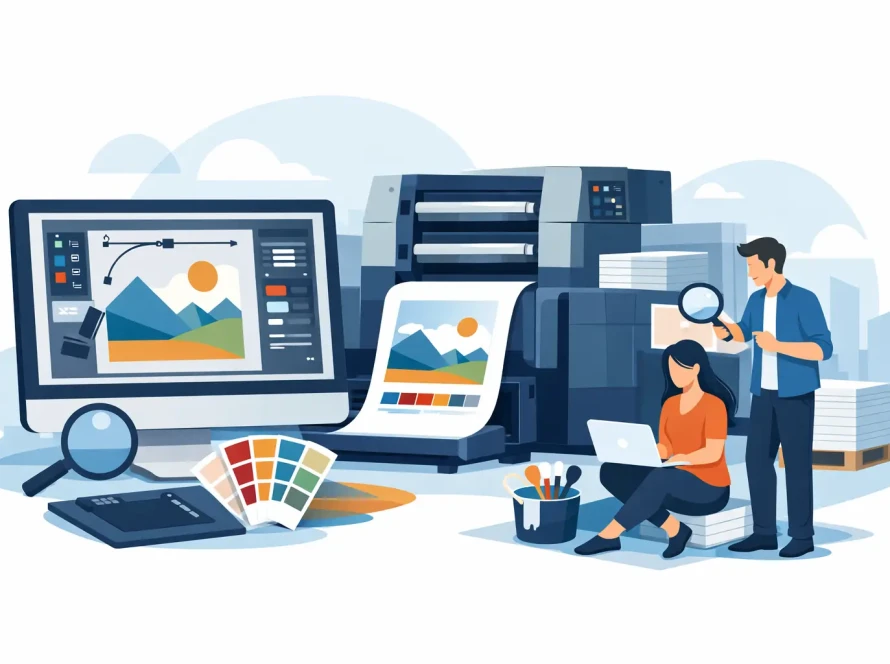
This is where quality control matters. A high-end design loses its impact if colors are inconsistent, folds are off, or addresses are difficult to read. Strong production is not just about appearance. It protects the credibility of the business behind the piece.
Short-run printing makes campaigns more agile
Marketing teams no longer have to commit to massive quantities just to make print worthwhile. Short-run production gives businesses room to test offers, refresh messaging, update details, and produce materials for specific events or sales teams.
This flexibility is useful when prices, service areas, seasonal promotions, or inventory change quickly. A landscaping company can update spring packages before its summer push. A nonprofit can print a focused appeal for one fundraiser. A sales team can order refreshed folders and leave-behinds without storing years of outdated collateral.
There is still a cost consideration. Larger quantities often lower the per-piece price, so businesses with stable materials may benefit from ordering ahead. But ordering too much can create its own cost when phone numbers, pricing, branding, or offers change. The best print quantity is the one that balances unit price with the likelihood of using every piece.
Print Marketing Trends for Events and In-Person Sales
Large-format graphics are doing more than decorating
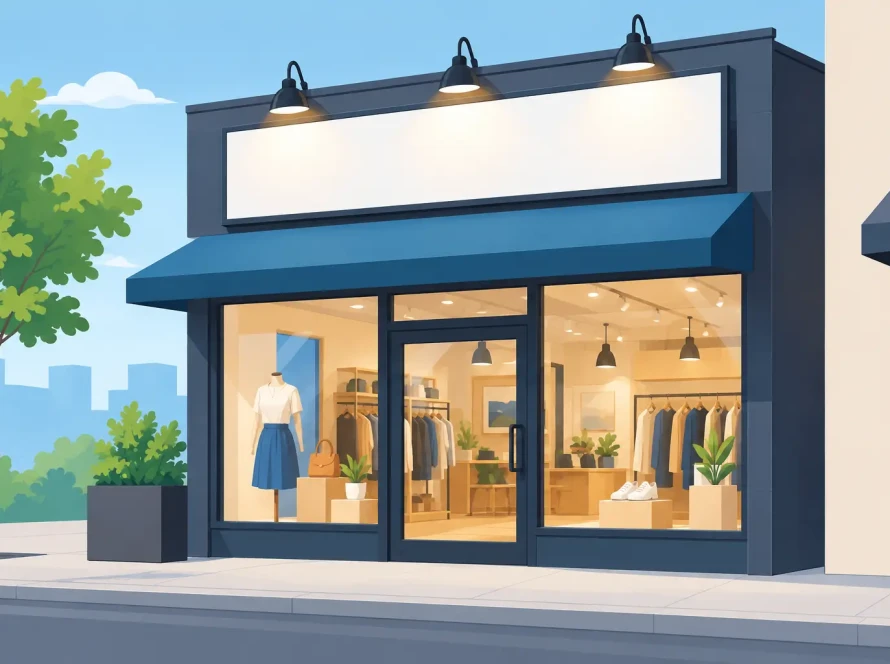
Banners, window graphics, yard signs, A-frame signs, table covers, and event tents have become essential tools for turning physical spaces into recognizable brand moments. They guide traffic, answer basic questions, reinforce professionalism, and make a business easier to remember after an event ends.
For local businesses, visibility often drives trust. A polished A-frame outside a storefront can pull in foot traffic. A branded tent and table cover can make a community event setup look established rather than improvised. Yard signs can extend a real estate agent’s presence well beyond a single showing.
The trend is toward simple, readable design. People see signs while walking, driving, or moving through a busy venue. Large type, high contrast, limited copy, and one memorable visual usually outperform a design that tries to explain everything. Save the detailed information for a brochure, booklet, or scan-to-learn-more option.
Consistent campaign kits are replacing one-off materials
A postcard should not look disconnected from the brochure, business card, event signage, or presentation folder that follows it. More businesses are building coordinated campaign kits that create a familiar visual experience across each customer touchpoint.
For example, a local home services campaign might include a neighborhood mailer, technician leave-behinds, door hangers, yard signs, branded estimate folders, and a follow-up postcard. Each item has a different job, but the same colors, voice, offer, and call to action make the campaign easier to recognize.
This approach can also make ordering easier. Once a team has approved its core layout and brand standards, recurring materials can be refreshed without rebuilding every item from scratch. That saves time and helps prevent the small inconsistencies that can make a business look less organized.
How to Put These Trends to Work
The most effective print marketing is built around a campaign goal, not a product catalog. Start by deciding what should happen after someone sees the piece. Do you need calls for estimates, visits to an open house, registrations for an event, store traffic, online orders, or repeat business? That outcome should shape the format, mailing area, headline, offer, and response method.
Then match the material to the moment. Postcards are excellent for promotions, announcements, and neighborhood outreach. Brochures and booklets give service businesses room to explain capabilities. Business cards, letterhead, and envelopes reinforce professionalism in everyday interactions. Signage helps people find, trust, and remember you in person.
Measurement should be part of the plan from the beginning. Use a campaign-specific phone number extension, QR code, offer code, landing page, or intake question such as, “How did you hear about us?” A direct mail campaign may not deliver every response in the first week, so allow enough time to track calls, scans, appointments, and sales.
Finally, plan the production and mailing timeline early. Mailing permits, address preparation, postage, proof approval, and delivery timing all affect launch dates. Working with one partner for printing, mail preparation, and fulfillment can reduce handoffs and help keep a deadline from turning into a scramble. Pink Hippo supports that process with custom print, direct mail, and hands-on production support for campaigns that need to move.
The next piece you print does not need to be louder than everything else in the mailbox or on the street. It needs to be relevant, easy to understand, and professionally executed. Give people a clear reason to respond, and make sure your materials are ready when the opportunity reaches their doorstep.