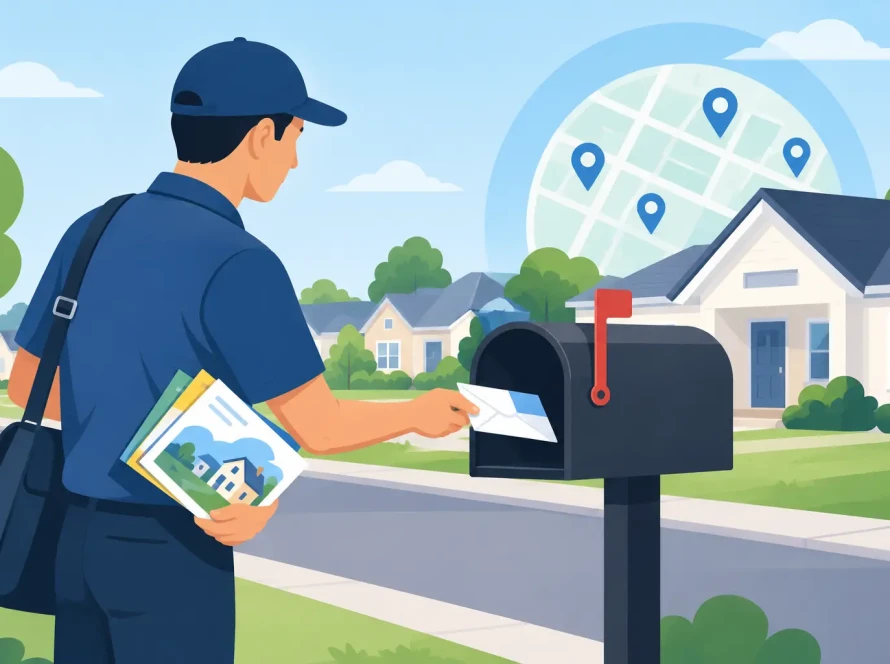
A direct mail piece can look exceptional, carry a strong offer, and land at exactly the wrong place. One missing apartment number, an outdated street address, or a duplicate record can turn printed marketing into returned mail and wasted postage. So, can mailing addresses be verified before a campaign goes out? Yes – and for businesses that mail regularly, it is one of the most practical ways to protect a campaign budget.
Address verification is not about making a mailing list look tidy. It is about giving your postcards, brochures, letters, and promotional offers the best possible chance of reaching a real person at a deliverable address. Whether you are sending a targeted direct mail campaign or preparing a customer mailing, clean data makes every printed piece work harder.
Can Mailing Addresses Be Verified Accurately?
Yes, mailing addresses can be checked against postal address data to identify formatting issues, missing information, invalid delivery points, and other problems that may prevent delivery. In many cases, verification also standardizes an address into the preferred postal format, such as correcting an abbreviation, adding a ZIP+4 code, or placing a unit number in the proper position.
That said, verified does not always mean guaranteed delivery. Postal databases can confirm that an address is recognized and formatted correctly, but they cannot always tell you whether the intended recipient still lives there, whether a business has closed, or whether a household will respond to your offer. Address verification improves deliverability. It does not replace a current, permission-based customer list or a well-targeted campaign.
For local businesses, that distinction matters. A verified address helps a roofing company mail offers to valid homes. It does not confirm that every homeowner needs a roof right now. Your list strategy and your marketing message still do the work of creating demand.
What Address Verification Checks Before Mailing
A quality verification process reviews more than spelling. It compares each record with recognized postal information and flags details that can affect delivery, sorting, or postage.
Common checks include whether the street name and number exist, whether the city and state match the ZIP Code, and whether the address needs a secondary designation such as Suite 200, Apt. 4B, or Unit C. The process may also identify incomplete rural route information, improperly formatted PO Boxes, or records that appear to be duplicates.
Standardization is another major benefit. One customer record may say “123 Main Street,” while another says “123 Main St.” Those are often the same location, but inconsistent formatting makes lists harder to manage and can complicate duplicate detection. Cleaning the data helps create a more organized file before it moves into production.
Some mailing workflows can also screen for addresses that are vacant or known to be undeliverable. These checks are useful, but the results should be handled with judgment. A vacant property may be a poor fit for a restaurant coupon, yet it could be valuable to a real estate investor, contractor, or property management company.
Why Clean Addresses Matter to Your Mail Budget
Postage is only one part of the cost of a mail piece. You also pay for design, printing, list preparation, handling, and the opportunity cost of an offer that never reaches a prospect. If a campaign includes hundreds or thousands of poor records, those small losses add up quickly.
Clean addresses can help reduce returned mail, avoid preventable delays, and limit duplicate deliveries. They also make campaign reporting more useful. When fewer pieces disappear because of bad data, response rates offer a clearer view of what your message, offer, and audience are actually doing.
This is especially useful for businesses with recurring mail programs. A real estate agent who sends monthly neighborhood postcards, a dental office with seasonal promotions, or a local nonprofit with event invitations should not treat list maintenance as a one-time task. People move, businesses relocate, and addresses change. A list that was reliable six months ago may need attention before the next drop.
Address Verification vs. Every Door Direct Mail
Every Door Direct Mail, often called EDDM, works differently from a customer-list mailing. Instead of supplying the names and addresses of individual recipients, you choose postal delivery routes based on the neighborhoods and households you want to reach.
Because the mail carrier delivers to every eligible address on the selected routes, you generally do not need to verify individual mailing addresses for an EDDM campaign. That removes a major list-management step and makes EDDM a smart option for businesses trying to build visibility in a specific service area.
A new salon opening near a shopping center, a restaurant promoting a grand opening, or a home services company looking to reach nearby neighborhoods can use EDDM to put a compelling offer directly into local mailboxes. The focus shifts from cleaning a customer database to selecting routes that fit your audience and service radius.
There are trade-offs. EDDM provides broad neighborhood coverage, but it is not personalized to a specific customer or prospect. A targeted list mailing gives you greater control over who receives the piece and can support personalized offers, renewals, or customer reactivation. The right choice depends on your goal.
When You Should Verify a Mailing List
Verification is worth doing whenever accuracy affects your budget, your timing, or your customer experience. If you are mailing an important event invitation, account notice, high-value offer, or recurring marketing piece, list cleanup should be part of the preparation process.
It is also wise to review a list when it has been collected over a long period, merged from multiple systems, entered manually, or exported from an older database. These are the situations where duplicates, missing unit numbers, inconsistent fields, and outdated records tend to appear.
Do not wait until the mailer is already in production. Once artwork is approved and quantities are set, correcting a list can create pressure on a deadline. Sending your mailing file early gives your print and mail partner time to identify issues and discuss the best next step.
How to Prepare Your File for Better Results
A clean source file makes verification faster and reduces back-and-forth. Keep first name, last name, company name, address line, city, state, and ZIP Code in separate fields whenever possible. Do not combine the recipient name and street address into one long cell.
Use a dedicated address line for apartment, suite, building, or unit details. That information is easy to overlook, but it can determine whether a piece reaches a recipient in a multi-unit building. If you have notes, special instructions, or internal tags, place them in separate columns so they do not interfere with the mailing fields.
Before submitting the file, remove records you already know are duplicates, outdated, or not eligible for the offer. For example, a past customer who has asked not to receive promotional mail should be excluded before the list enters the mailing workflow. Verification can improve address quality, but it should not be used as a substitute for responsible list management.
Choose the Right Mailing Approach for the Job
A polished postcard is only as effective as its delivery plan. For a precise audience, use a well-maintained list and verify the addresses before printing. For local awareness across a defined neighborhood, EDDM may offer a faster path to broad coverage without the need for an individual address list.
The strongest campaigns connect the right format, message, print quality, and mailing method. A seasonal offer may call for a colorful postcard. A detailed service explanation may need a brochure or letter package. A time-sensitive event can benefit from a bold mailer supported by matching signage and handouts.
Pink Hippo helps businesses bring those moving parts together, from print production to mailing support. The practical starting point is simple: share your goal, audience, timeline, and available list data early. That gives your campaign room for the checks that prevent avoidable waste and the production choices that help your message stand out when it arrives.